Skip to content
Brand ambassador programs tend to
offer structured, beginner-friendly opportunities with clear expectations and support,
helping creators:
-
- Learn how to collaborate professionally with brands
- Gain experience creating content that aligns with brand goals
- Build a portfolio that opens doors to larger partnerships down the line
Seasoned creators can also use brand ambassadorships to build stronger, ongoing relationships with the brands they already work with. Long-term partnerships create steadier income, open doors to co-branded opportunities, and help experienced creators deepen their influence within their niche.
Like any type of partnership, brand ambassadorship comes with both benefits and trade-offs. Here’s what to expect:
Pros:
- Low barrier to entry. You can get started even with a small but engaged following.
- Consistent collaboration. Programs often focus on long-term partnerships instead of one-off posts, meaning more consistent income.
- Portfolio growth. Build case studies and results that help you pitch bigger brands later on.
- Networking opportunities. Many programs include creator communities or events where you can connect with other ambassadors and industry professionals.
- Access to insider insights. Ambassadors often get early product info, campaign previews, and input into future launches—helping you create more relevant and engaging content.
Cons:
- Creative limitations. Some programs have strict content or posting guidelines.
- Exclusivity clauses. You may be limited from working with competitor brands, potentially limiting opportunities in the short-term.
- Brand fatigue. Promoting the same products too often can reduce audience interest or credibility over time.
- Variable rewards. Some programs offer free products or perks instead of direct pay.
- Reputation tie-in. Your image becomes linked to the brand’s reputation—good or bad.
When it comes to brand ambassador compensation, every program works a little differently—and not all rewards come in cash. Understanding the structure helps you decide which opportunities align with your goals.
Common types of ambassador compensation include:
- Flat fees: A one-time payment for a set number of posts or deliverables.
- Affiliate commissions: Earnings based on sales driven through your personalized links or codes.
- Product gifts and PR packages: Typical for new ambassadors who are building their portfolios and credibility with brands.
- Exclusive access or perks: Early launches, events, or brand sneak peeks that help you network and gain visibility.
- Hybrid models: Many brands blend flat fees, commissions, and perks depending on content performance or campaign length.
If a program asks you to name your price, think about your effort, experience, and engagement—not just your follower count.
Determine your rate by considering how much time it takes to plan, shoot, and edit your content, and the value your audience brings to the brand.
Gifted vs. paid ambassadorships
Some programs start with gifted collaborations—where brands send free products in exchange for posts. While these aren’t paid brand deals in the traditional sense, they can be a valuable first step for new creators to prove their reliability and creativity.
Strong performance on gifted campaigns often leads to future paid opportunities, so treat them as a chance to show your professionalism and results. Also, teaming up with beloved brands (and joining their community) could be worthwhile for building your audience.
Before joining a program, review the terms carefully—especially around exclusivity, posting frequency, usage rights, and affiliate tracking.
Some programs have fixed structures, but you can still ask about flexibility. If you’ve delivered strong engagement or conversions, share that data to negotiate fairer pay or additional perks.
Whether you’re a part-time hustler or an aspiring full-time creator, this clear roadmap will help you start your journey to becoming a brand ambassador.
Your personal brand is the foundation of your creator career. It’s how you show your audience—and future brand partners—what makes you unique. Posting content that reflects your interests, expertise, and personality helps you build recognition and trust in your niche.
Identify what makes you stand out
Building a strong personal brand is all about intentionally communicating your value. It helps you grow your community and shows brands that you align with their audience and mission.
Start by asking yourself:
- What type of content or career am I aiming for?
- What are my strengths as a creator?
- What sets me apart from others in my niche?
- What am I passionate about and what do I believe in?
- What traits do my favorite creators share?
Once you’ve reflected on these, summarize your answers in a personal brand statement. Use adjectives and short phrases to define your tone and identity—for example:
- “Compassionate, fun, and informative”
- “Inspirational, welcoming, and quick-witted”
This statement becomes your creative compass when shaping your content.

Build a personal brand that attracts top partnerships
Learn how to define your voice and position your brand for lasting collaborations with the companies you love.
See the guide
Craft your personal brand story
Your story allows audiences to connect with you on a deeper level and gives brands a clearer sense of who you are.
To get started:
- Reflect on key experiences that shaped you. These could be milestones, challenges, or moments that changed your perspective.
- Connect those experiences to the kind of content you want to make and the audience you want to reach.
- Add personality and emotion. Use your quirks, humor, or values to make your story memorable and relatable.
By the end, you’ll have a brand story that helps you express yourself online with confidence—and attract brands that share your values.
Bring your brand into your content
Once you’ve defined your personal brand, start weaving it into everything you post and throughout your platforms of choice. Use your tone, visuals, and values consistently so your audience knows what to expect and trusts your authenticity.
Creator Logan Lynn Spain (@moreclothesthansense) shows how to turn a bio into a personal brand story. Notice how she highlights her niche, values, and audience in just a few lines—instantly showing who she is and what she stands for.
You don’t need a massive following to catch a brand’s attention—it’s more about whether your personal brand connects with their target audience. Brands look for creators who can grow and nurture communities, not just drive views.
Make your content easy to discover
Brands love creators who know how to expand their reach organically.
- Use hashtags and trends strategically so your posts show up for relevant audiences.
- Collaborate with creators in your niche—cross-posting or joint videos help you reach new audiences that already share your interests.
- Stay consistent. Regular posting builds trust and keeps followers engaged over time.
Build genuine connections with your followers
Engagement is what brands pay attention to most. Show that your audience isn’t just watching—they’re interacting.
- Reply to comments and invite your followers to share their opinions.
- Be transparent about what you love or use in your daily life. Authentic, unfiltered content performs better than overly polished posts.
- Ask questions or create polls to spark two-way conversations.
This sense of community is what sets you apart as a creator. When followers trust you, your recommendations feel natural—making you exactly the kind of creator brands want to work with.
Brands want to see lots of engagement
According to impact.com research, 47 percent of brands will commit to a long-term partnership with an influencer if they have good content performance rates.
Finding the right brands to work with is key to building authentic, lasting partnerships. Start by identifying companies that align with your values and audience—then dig deeper into how they collaborate with creators.
Identify brands that align with your personal brand
Start looking for brands you’d love to partner with. They don’t need to have an existing ambassador program—you can always pitch them later.
Keep these questions in mind as you search:
- Which companies match your personal brand and values? Authenticity inspires people to buy online—and brands know it.
- What brands fit with your knowledge or expertise? You’ll create stronger content right away.
- What brands are you already talking about? Superfans make the best ambassadors, helping you stand out among applicants.
- Do your followers love a particular brand? If you can show that a brand will gel with your audience, their team will take notice.
Elevate your brand through smart collaborations
See how partnering with the right brands can strengthen your identity as a creator and open doors to new opportunities.
Read more
Track your research like a pro
Organize everything in a creator brand research spreadsheet so you can easily compare opportunities.
This makes it easier to tailor your outreach and show brands exactly how you can help them achieve their goals.
Organizing your research spreadsheet
Consider adding columns like:
-
- Brand name and niche
- Target audience and tone of voice
- Existing ambassador or influencer programs
- Type of creators they typically work with
- Market reputation and audience sentiment
Learn from other ambassadors
If you want to go the extra mile, connect with other creators who’ve worked with the brand.
Ask questions like:
- How was their experience working with the brand?
- What kind of rewards or compensation did they receive?
- Did the partnership help them grow as a creator?
- Was the brand open to creative input and collaboration?
Hearing firsthand experiences helps you determine if a brand aligns with your values and if the opportunity is worth your time.
Now that you’ve done your research and identified potential brand partners, it’s time to bring that preparation to life. The next step is presenting yourself in a way that clearly communicates your value—showing brands that you understand their goals and can help them reach the right audience.
This is where your portfolio, examples of past work, and outreach efforts come together to make a strong first impression and set the tone for future collaborations.
Build a media kit that highlights your strengths
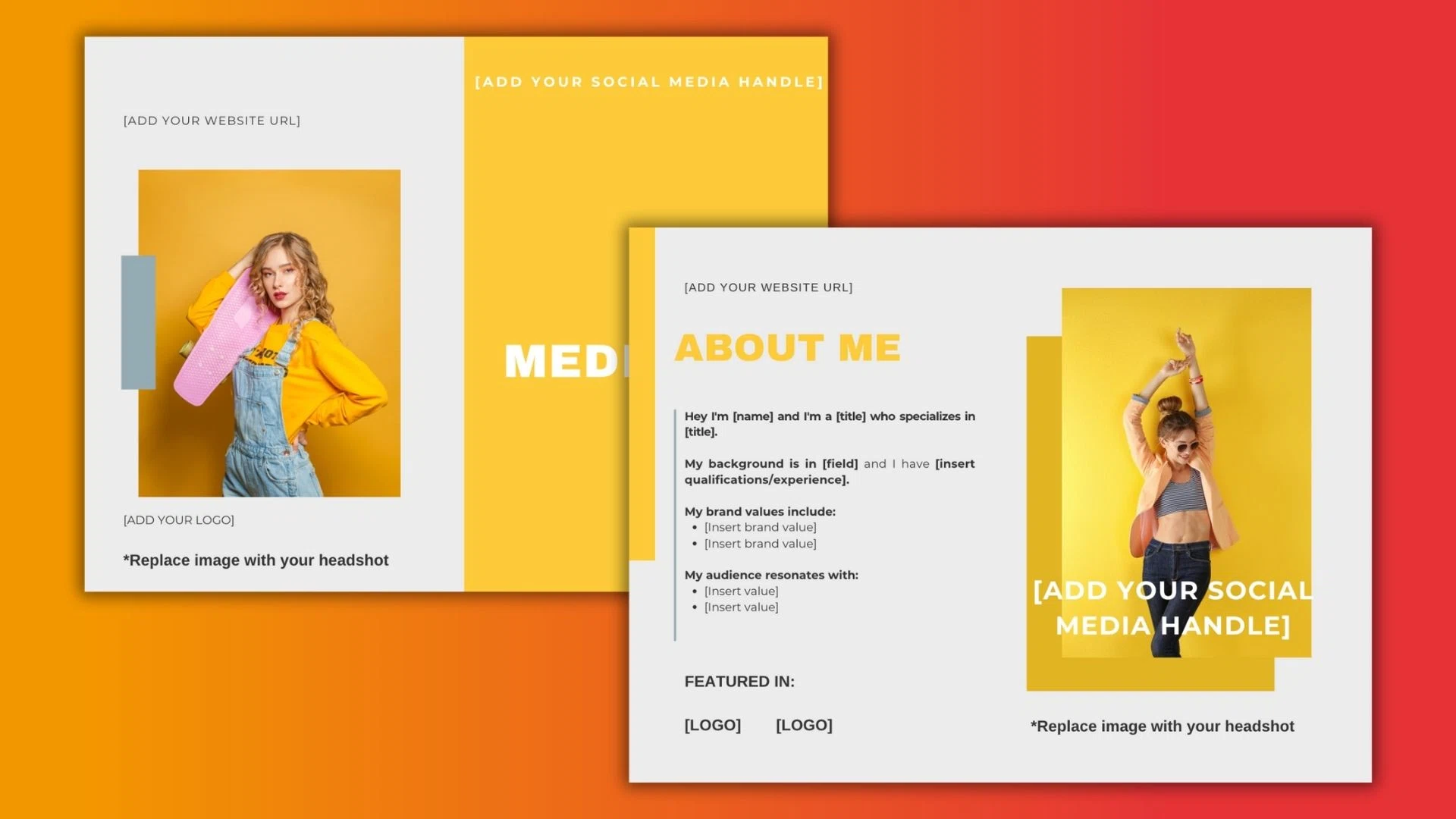
As you grow your audience, start gathering content that represents your best work—your top-performing posts, audience engagement stats, and any past brand collaborations. You can use this to create your media kit.
A media kit is like your creator résumé. It should include:
- A short bio that communicates your niche and style
- Key audience demographics and engagement rates
- Examples of content that performed well
- Previous brand partnerships (if applicable)
- Contact info and links to your platforms
A well-crafted media kit makes it easy for brands to understand your value at a glance and envision how you fit into their next campaign.
If you’re not sure where to start, try a media kit template to create a polished, professional presentation.
Craft personalized pitches that get noticed
Even if a pitch email isn’t required, sending one is one of the best ways to stand out. A strong pitch shows that you’ve done your homework—and that you understand what matters to the brand.
Use your research to personalize every message. Reference the brand’s tone, audience, or recent campaigns to show genuine interest and alignment. Then structure your pitch to make your value clear:
- Start with a genuine compliment or reason you admire the brand
- Briefly explain who you are and what type of content you create
- Highlight your audience and engagement—show, don’t tell
- Connect your work to the brand’s goals or audience pain points
- Close with a clear next step or question to invite a response
Brands notice when you’ve tailored your outreach—it signals professionalism, creativity, and real enthusiasm for collaboration.

Write the perfect brand collab email
See how to master the art of pitching with travel creator Jessica Serna.
Find out how
Now that you’ve refined your personal brand and built a solid portfolio, it’s time to start putting yourself out there.
Don’t wait for brands to come to you—only 5 percent of brands actively recruit creators. The rest are looking for creators who take the initiative.
Apply proactively and stay organized
Many brands have an official application process for their ambassador programs, so follow each step carefully and make sure your submission reflects your unique voice and professionalism.
You can also reach out directly to brands that don’t list an official program yet. Use what you’ve learned from your research to personalize your message and highlight how your audience aligns with theirs.
Keep track of every interaction in your spreadsheet—it’ll make follow-ups smoother and help you spot what kinds of outreach get the best results.
Prepare for brand ambassador interview questions
If your application moves forward, you may be asked to join a quick call or fill out a questionnaire. These are designed to gauge your enthusiasm, professionalism, and audience alignment.
Here are some common brand ambassador interview questions you might encounter:
- Why do you want to be a brand ambassador for our company?
- How does our brand align with your content and values?
- Who is your audience, and how do they typically engage with your content?
- Can you share an example of a past collaboration or campaign you’re proud of?
- What types of content perform best for your followers?
- How do you approach promoting a product authentically?
- How do you measure success in your partnerships?
- Are there any brands you currently work with that might overlap with ours?
Be selective and think long term
The right ambassador program can set you up for lasting success as a creator. Take your time when choosing partnerships.
Joining forces with reputable, well-aligned brands will help you build a stronger portfolio and open doors to future opportunities.
Watch out for scams
Brand ambassadorship scams are unfortunately common. Keep an eye out for red flags.
Legitimate brand ambassador programs don’t:
- DM you out of the blue on Instagram asking you to pay fees
- Require you to buy products upfront to “qualify”
- Ask for bank account info before formal onboarding
- Promise guaranteed income for minimal work
Real programs have application pages, clear terms, and never ask for money upfront. If it feels suspicious, trust your gut and report it.
Negotiating might feel intimidating at first, but it’s an essential skill for every creator. You’re not asking for more—you’re ensuring the collaboration is fair, clear, and sustainable for both sides.
Understand what’s negotiable
Once you hear back from a brand, review the offer carefully and identify where there might be flexibility. While some ambassador programs have set terms, others leave room for conversation.
Things you can often negotiate include:
- Compensation: Rates, commission percentages, or bonuses for hitting milestones.
- Deliverables: Number or type of posts, exclusivity terms, and posting frequency.
- Usage rights: How and where the brand can reuse your content (this affects value).
- Timeline: Adjusting deadlines to match your content schedule.
- Perks: Early access to products, event invitations, or additional exposure.
Back up your requests with examples of strong past performance—like engagement rates, conversion results, or standout content that drove brand results.
Don’t be afraid to ask if there’s wiggle room—it rarely hurts to start the conversation. The key is to be polite, clear, and data-driven.
Frame your requests around the value you bring rather than what you want to gain.
Example: framing your brand ambassadorship negotiation the right way
Poor example:
“Can you pay me more for this? I usually charge higher rates.”
This approach focuses only on what you want, without showing the brand the value they’re getting in return.
Better example:
“Based on the engagement my content generated in similar partnerships, I’d love to explore a rate that reflects that level of performance.”
This phrasing is professional, confident, and backed by data. It reminds the brand of the results you bring to the table, making your request feel justified and collaborative.
Get everything in writing
Before you start posting, make sure you’re 100% clear on the terms of your partnership. Review your contract for:
- Deliverables and deadlines
- Payment terms and timelines
- Content ownership and usage rights
- Exclusivity clauses
- Cancellation or renewal terms
Having everything in writing protects both you and the brand—and avoids misunderstandings later.

Protect yourself by understanding creator contracts
Know what you’re signing and step into every deal ready to negotiate.
See how it works
Congrats—you’ve landed your first brand ambassadorship! Now it’s time to make that partnership count. How you manage and measure your first few collaborations will shape your future opportunities as a creator.
Stay consistent and keep it authentic
Consistency is key. As you promote the brand, make sure your content still reflects you—your tone, creativity, and values. That’s what keeps audiences engaged and ensures your partnership feels natural.
Just as important: Remember to include the appropriate sponsorship disclosures when sharing branded content. Clear labeling keeps you compliant with FTC guidelines and helps maintain audience trust.
Consistent promotions feel more credible
Consumers believe influencer brand promotions feel most authentic when they post about a brand, product, or service several times.
Deepen your understanding of the brand
Now that you’re part of the program, learn everything you can about the brand’s story, audience, and creative style. Talk with your brand contacts, study other ambassadors’ content, and keep track of campaign updates.
Aligning your content with the brand’s tone and goals helps you:
- Strengthen the partnership
- Get featured on the brand’s channels
- Position yourself for long-term collaborations
Track results and showcase your impact
Treat every campaign as an opportunity to learn and prove your value. Track metrics such as:
- Engagement rate (likes, comments, shares)
- Link clicks or sales through affiliate links
- Follower growth during campaigns
- Brand reposts or mentions
Compile these results in a short summary or visual dashboard to share with your brand contact. Showing measurable impact strengthens the current relationship while giving you proof points for future pitches and rate negotiations.
“The relationship piece is so important. Who you know matters, and positive conversations lead to better content and partnerships.”
– Amanda Mount, Director of Affiliate Marketing at Monks
Brand ambassadorship is about forming real partnerships with the brands you love and the teams behind them. As you collaborate, you’ll gain access to free products, exclusive perks, and commission opportunities that reward your creativity and consistency.
More importantly, each partnership helps you sharpen your skills, strengthen your portfolio, and build lasting brand relationships that can grow with your career.
If you’ve been looking for a way to turn your passion for content creation into steady income and real opportunities, brand ambassadorship is the perfect place to start.
Continue learning how to land your first creator brand deal:
Are influencers and brand ambassadors the same thing?
No, influencers and brand ambassadors aren’t always the same thing. Influencers use their platform and established audience to promote brands or products for short-term campaigns or collabs. On the other hand, brand ambassadors usually promote brands/products as part of an exclusive, long-term partnership program.
How many followers do you need to be a brand ambassador?
The number of followers you need to be a brand ambassador varies by program—but many companies use 10,000 followers as a minimum benchmark.
The most important thing is to focus on establishing and defining your personal brand—posting consistent content and engaging with your followers. That way, you’ll stand out in all your applications.
How can I pitch myself as a brand ambassador?
Check out the applications for existing programs. Show examples of your creative work and how your audience has responded. Also, emphasize why you’re passionate about their brand and how your unique skills and expertise align with their brand goals.
Whether the brand has a formal application process, it always helps to create a pitch email and media kit to take your application to the next level.
How can I increase my chances of becoming a paid brand ambassador for popular brands?
Start by focusing on consistency and authenticity. Brands are drawn to creators who share genuine enthusiasm for their products and maintain an engaged community.
Make sure your content reflects your niche and values clearly—this helps brands instantly understand whether you’re a fit.
A polished media kit, strong engagement metrics, and a track record of authentic collaborations (even small ones) will make you stand out to bigger brands looking for credible partners.
Which skills and qualifications do I need to become a successful brand ambassador?
You don’t need formal qualifications to become a brand ambassador—what matters most are your skills as a communicator and community builder. Successful ambassadors are consistent, creative, and professional in how they manage collaborations.
Key skills include creating compelling content, understanding social media analytics, and maintaining an authentic connection with your audience. The more you can show reliability and enthusiasm for the brand, the more opportunities you’ll unlock.
How can I tailor my application to get hired as a brand ambassador quickly?
Personalization is everything. Before applying, study the brand’s tone, values, and audience so your pitch or application feels tailor-made. Reference specific campaigns you admire or explain how your content aligns with their messaging. Include metrics that highlight your engagement and community trust—these often matter more than follower count.
A thoughtful, well-researched application signals that you’re serious, strategic, and ready to represent the brand professionally.
What exclusive perks do brand ambassadors receive from top brands?
Perks vary by program, but most brand ambassadors enjoy a mix of tangible and experiential benefits. These can include free or early-access products, special discounts, commission on sales, and opportunities to attend brand events or product launches.
Some brands even offer long-term retainers, feature ambassador content on their social channels, or provide insider access to upcoming campaigns—all of which help ambassadors expand their visibility and professional network.
News
Berita
News Flash
Blog
Technology
Sports
Sport
Football
Tips
Finance
Berita Terkini
Berita Terbaru
Berita Kekinian
News
Berita Terkini
Olahraga
Pasang Internet Myrepublic
Jasa Import China
Jasa Import Door to Door
Situs berita olahraga khusus sepak bola adalah platform digital yang fokus menyajikan informasi, berita, dan analisis terkait dunia sepak bola. Sering menyajikan liputan mendalam tentang liga-liga utama dunia seperti Liga Inggris, La Liga, Serie A, Bundesliga, dan kompetisi internasional seperti Liga Champions serta Piala Dunia. Anda juga bisa menemukan opini ahli, highlight video, hingga berita terkini mengenai perkembangan dalam sepak bola.
You’ve built a small but loyal following. Your videos get real engagement, and people trust your recommendations. Brand ambassadorship is one of the easiest ways for you to start earning from your content.
Instead of chasing one-off sponsorships, ambassadors form longer-term relationships with brands they already love—sharing products that fit naturally into their content and lifestyle.
It’s the perfect first step for creators who want to test the waters of professional partnerships while building a portfolio that proves their influence.
This guide breaks down exactly what these types of brand deals look like, how to become a brand ambassador, and how to position yourself so brands see you as a partner—not just a post.
Key takeaways:
- Brand ambassadorship helps creators of any size build long-term partnerships with the brands they love—turning authentic content into sustainable income.
- You don’t need a huge following to get started—engaged audiences and genuine brand alignment matter more than follower count.
- Strong personal branding, research, and tailored outreach set the foundation for landing your first ambassador program and standing out from other applicants.
- Professionalism and negotiation skills ensure you’re compensated fairly and build lasting, mutually beneficial relationships with brands.
- Tracking your results and showcasing measurable impact helps you strengthen current partnerships, secure future deals, and grow your creator career long term.
Brand ambassadorship is one of the most accessible ways for creators to start building a professional content business. Instead of one-off sponsorships, these programs focus on longer-term partnerships that grow your skills, credibility, and earning potential over time.
What is a brand ambassador?
A brand ambassador is a content creator who continuously partners with a company to authentically promote its products or services—building awareness, credibility, and trust with their audience over time.
Companies work with brand ambassadors to:
- Boost brand awareness
- Attract new customers
- Create a tight-knit community of fans
The brand’s ultimate goal? More visibility, engagement, and long-term loyalty.
The key to standing out as an ambassador is genuine alignment. When you promote brands you already use and love, your audience feels that authenticity—inspiring people to take products for a spin and become a brand devotee.
It’s a common misconception that brand ambassadors and influencers are two completely different kinds of creators—but they’re not. Brand ambassadorship is actually a type of influencer sponsorship, and many influencers take on ambassadorships as part of their overall collaboration mix.
The real distinction isn’t who the creator is—it’s the type of deal they’re entering into.
Ambassadorships represent long-term, relationship-driven partnerships, while traditional sponsored posts are short-term collaborations designed for quick impact.
Here’s how the two partnership models break down inside the larger influencer ecosystem:
Brand ambassadorships (a type of close, long-term partnerships)
- Built around ongoing collaboration that lasts for months or years
- Focus on consistent brand alignment and deeper product familiarity
- Prioritize authentic storytelling that feels natural to the creator’s audience
- Often include commissions, recurring perks, or exclusive access
- Turn creators into long-term advocates and recognizable brand representatives
Sponsored posts and short-term influencer deals
- Typically tied to a single campaign, product drop, or one-off post
- Designed to deliver immediate reach, awareness, or conversions
- Usually compensated with a flat fee per deliverable or hybrid payment
- Offer more creative flexibility but less opportunity for relationship-building
- Prioritize short-term visibility rather than long-term brand loyalty
You don’t need a massive following (or even experience) to start applying for brand ambassador programs. Many brands welcome creators of all sizes—especially those with engaged, authentic audiences.
It’s one of the best ways to land a brand deal as a small influencer because the focus is often on relevance over reach. Smaller creators tend to:
- Have higher engagement rates that signal real trust with their followers
- Maintain closer relationships with their communities, driving more authentic interactions
- Create genuine, relatable content that feels natural—not like an ad
Benefits of brand ambassadorships for small creators
Brand ambassador programs tend to offer structured, beginner-friendly opportunities with clear expectations and support, helping creators:
-
- Learn how to collaborate professionally with brands
- Gain experience creating content that aligns with brand goals
- Build a portfolio that opens doors to larger partnerships down the line
Seasoned creators can also use brand ambassadorships to build stronger, ongoing relationships with the brands they already work with. Long-term partnerships create steadier income, open doors to co-branded opportunities, and help experienced creators deepen their influence within their niche.
Like any type of partnership, brand ambassadorship comes with both benefits and trade-offs. Here’s what to expect:
Pros:
- Low barrier to entry. You can get started even with a small but engaged following.
- Consistent collaboration. Programs often focus on long-term partnerships instead of one-off posts, meaning more consistent income.
- Portfolio growth. Build case studies and results that help you pitch bigger brands later on.
- Networking opportunities. Many programs include creator communities or events where you can connect with other ambassadors and industry professionals.
- Access to insider insights. Ambassadors often get early product info, campaign previews, and input into future launches—helping you create more relevant and engaging content.
Cons:
- Creative limitations. Some programs have strict content or posting guidelines.
- Exclusivity clauses. You may be limited from working with competitor brands, potentially limiting opportunities in the short-term.
- Brand fatigue. Promoting the same products too often can reduce audience interest or credibility over time.
- Variable rewards. Some programs offer free products or perks instead of direct pay.
- Reputation tie-in. Your image becomes linked to the brand’s reputation—good or bad.
When it comes to brand ambassador compensation, every program works a little differently—and not all rewards come in cash. Understanding the structure helps you decide which opportunities align with your goals.
Common types of ambassador compensation include:
- Flat fees: A one-time payment for a set number of posts or deliverables.
- Affiliate commissions: Earnings based on sales driven through your personalized links or codes.
- Product gifts and PR packages: Typical for new ambassadors who are building their portfolios and credibility with brands.
- Exclusive access or perks: Early launches, events, or brand sneak peeks that help you network and gain visibility.
- Hybrid models: Many brands blend flat fees, commissions, and perks depending on content performance or campaign length.
If a program asks you to name your price, think about your effort, experience, and engagement—not just your follower count.
Determine your rate by considering how much time it takes to plan, shoot, and edit your content, and the value your audience brings to the brand.
Gifted vs. paid ambassadorships
Some programs start with gifted collaborations—where brands send free products in exchange for posts. While these aren’t paid brand deals in the traditional sense, they can be a valuable first step for new creators to prove their reliability and creativity.
Strong performance on gifted campaigns often leads to future paid opportunities, so treat them as a chance to show your professionalism and results. Also, teaming up with beloved brands (and joining their community) could be worthwhile for building your audience.
Before joining a program, review the terms carefully—especially around exclusivity, posting frequency, usage rights, and affiliate tracking.
Some programs have fixed structures, but you can still ask about flexibility. If you’ve delivered strong engagement or conversions, share that data to negotiate fairer pay or additional perks.
Whether you’re a part-time hustler or an aspiring full-time creator, this clear roadmap will help you start your journey to becoming a brand ambassador.
Your personal brand is the foundation of your creator career. It’s how you show your audience—and future brand partners—what makes you unique. Posting content that reflects your interests, expertise, and personality helps you build recognition and trust in your niche.
Identify what makes you stand out
Building a strong personal brand is all about intentionally communicating your value. It helps you grow your community and shows brands that you align with their audience and mission.
Start by asking yourself:
- What type of content or career am I aiming for?
- What are my strengths as a creator?
- What sets me apart from others in my niche?
- What am I passionate about and what do I believe in?
- What traits do my favorite creators share?
Once you’ve reflected on these, summarize your answers in a personal brand statement. Use adjectives and short phrases to define your tone and identity—for example:
- “Compassionate, fun, and informative”
- “Inspirational, welcoming, and quick-witted”
This statement becomes your creative compass when shaping your content.
Build a personal brand that attracts top partnerships
Learn how to define your voice and position your brand for lasting collaborations with the companies you love.
See the guide
Craft your personal brand story
Your story allows audiences to connect with you on a deeper level and gives brands a clearer sense of who you are.
To get started:
- Reflect on key experiences that shaped you. These could be milestones, challenges, or moments that changed your perspective.
- Connect those experiences to the kind of content you want to make and the audience you want to reach.
- Add personality and emotion. Use your quirks, humor, or values to make your story memorable and relatable.
By the end, you’ll have a brand story that helps you express yourself online with confidence—and attract brands that share your values.
Bring your brand into your content
Once you’ve defined your personal brand, start weaving it into everything you post and throughout your platforms of choice. Use your tone, visuals, and values consistently so your audience knows what to expect and trusts your authenticity.
Creator Logan Lynn Spain (@moreclothesthansense) shows how to turn a bio into a personal brand story. Notice how she highlights her niche, values, and audience in just a few lines—instantly showing who she is and what she stands for.
You don’t need a massive following to catch a brand’s attention—it’s more about whether your personal brand connects with their target audience. Brands look for creators who can grow and nurture communities, not just drive views.
Make your content easy to discover
Brands love creators who know how to expand their reach organically.
- Use hashtags and trends strategically so your posts show up for relevant audiences.
- Collaborate with creators in your niche—cross-posting or joint videos help you reach new audiences that already share your interests.
- Stay consistent. Regular posting builds trust and keeps followers engaged over time.
Build genuine connections with your followers
Engagement is what brands pay attention to most. Show that your audience isn’t just watching—they’re interacting.
- Reply to comments and invite your followers to share their opinions.
- Be transparent about what you love or use in your daily life. Authentic, unfiltered content performs better than overly polished posts.
- Ask questions or create polls to spark two-way conversations.
This sense of community is what sets you apart as a creator. When followers trust you, your recommendations feel natural—making you exactly the kind of creator brands want to work with.
Brands want to see lots of engagement
According to impact.com research, 47 percent of brands will commit to a long-term partnership with an influencer if they have good content performance rates.
Finding the right brands to work with is key to building authentic, lasting partnerships. Start by identifying companies that align with your values and audience—then dig deeper into how they collaborate with creators.
Identify brands that align with your personal brand
Start looking for brands you’d love to partner with. They don’t need to have an existing ambassador program—you can always pitch them later.
Keep these questions in mind as you search:
- Which companies match your personal brand and values? Authenticity inspires people to buy online—and brands know it.
- What brands fit with your knowledge or expertise? You’ll create stronger content right away.
- What brands are you already talking about? Superfans make the best ambassadors, helping you stand out among applicants.
- Do your followers love a particular brand? If you can show that a brand will gel with your audience, their team will take notice.
Elevate your brand through smart collaborations
See how partnering with the right brands can strengthen your identity as a creator and open doors to new opportunities.
Read more
Track your research like a pro
Organize everything in a creator brand research spreadsheet so you can easily compare opportunities.
This makes it easier to tailor your outreach and show brands exactly how you can help them achieve their goals.
Organizing your research spreadsheet
Consider adding columns like:
-
- Brand name and niche
- Target audience and tone of voice
- Existing ambassador or influencer programs
- Type of creators they typically work with
- Market reputation and audience sentiment
Learn from other ambassadors
If you want to go the extra mile, connect with other creators who’ve worked with the brand.
Ask questions like:
- How was their experience working with the brand?
- What kind of rewards or compensation did they receive?
- Did the partnership help them grow as a creator?
- Was the brand open to creative input and collaboration?
Hearing firsthand experiences helps you determine if a brand aligns with your values and if the opportunity is worth your time.
Now that you’ve done your research and identified potential brand partners, it’s time to bring that preparation to life. The next step is presenting yourself in a way that clearly communicates your value—showing brands that you understand their goals and can help them reach the right audience.
This is where your portfolio, examples of past work, and outreach efforts come together to make a strong first impression and set the tone for future collaborations.
Build a media kit that highlights your strengths
As you grow your audience, start gathering content that represents your best work—your top-performing posts, audience engagement stats, and any past brand collaborations. You can use this to create your media kit.
A media kit is like your creator résumé. It should include:
- A short bio that communicates your niche and style
- Key audience demographics and engagement rates
- Examples of content that performed well
- Previous brand partnerships (if applicable)
- Contact info and links to your platforms
A well-crafted media kit makes it easy for brands to understand your value at a glance and envision how you fit into their next campaign.
If you’re not sure where to start, try a media kit template to create a polished, professional presentation.
Craft personalized pitches that get noticed
Even if a pitch email isn’t required, sending one is one of the best ways to stand out. A strong pitch shows that you’ve done your homework—and that you understand what matters to the brand.
Use your research to personalize every message. Reference the brand’s tone, audience, or recent campaigns to show genuine interest and alignment. Then structure your pitch to make your value clear:
- Start with a genuine compliment or reason you admire the brand
- Briefly explain who you are and what type of content you create
- Highlight your audience and engagement—show, don’t tell
- Connect your work to the brand’s goals or audience pain points
- Close with a clear next step or question to invite a response
Brands notice when you’ve tailored your outreach—it signals professionalism, creativity, and real enthusiasm for collaboration.
Write the perfect brand collab email
See how to master the art of pitching with travel creator Jessica Serna.
Find out how
Now that you’ve refined your personal brand and built a solid portfolio, it’s time to start putting yourself out there.
Don’t wait for brands to come to you—only 5 percent of brands actively recruit creators. The rest are looking for creators who take the initiative.
Apply proactively and stay organized
Many brands have an official application process for their ambassador programs, so follow each step carefully and make sure your submission reflects your unique voice and professionalism.
You can also reach out directly to brands that don’t list an official program yet. Use what you’ve learned from your research to personalize your message and highlight how your audience aligns with theirs.
Keep track of every interaction in your spreadsheet—it’ll make follow-ups smoother and help you spot what kinds of outreach get the best results.
Prepare for brand ambassador interview questions
If your application moves forward, you may be asked to join a quick call or fill out a questionnaire. These are designed to gauge your enthusiasm, professionalism, and audience alignment.
Here are some common brand ambassador interview questions you might encounter:
- Why do you want to be a brand ambassador for our company?
- How does our brand align with your content and values?
- Who is your audience, and how do they typically engage with your content?
- Can you share an example of a past collaboration or campaign you’re proud of?
- What types of content perform best for your followers?
- How do you approach promoting a product authentically?
- How do you measure success in your partnerships?
- Are there any brands you currently work with that might overlap with ours?
Be selective and think long term
The right ambassador program can set you up for lasting success as a creator. Take your time when choosing partnerships.
Joining forces with reputable, well-aligned brands will help you build a stronger portfolio and open doors to future opportunities.
Watch out for scams
Brand ambassadorship scams are unfortunately common. Keep an eye out for red flags.
Legitimate brand ambassador programs don’t:
- DM you out of the blue on Instagram asking you to pay fees
- Require you to buy products upfront to “qualify”
- Ask for bank account info before formal onboarding
- Promise guaranteed income for minimal work
Real programs have application pages, clear terms, and never ask for money upfront. If it feels suspicious, trust your gut and report it.
Negotiating might feel intimidating at first, but it’s an essential skill for every creator. You’re not asking for more—you’re ensuring the collaboration is fair, clear, and sustainable for both sides.
Understand what’s negotiable
Once you hear back from a brand, review the offer carefully and identify where there might be flexibility. While some ambassador programs have set terms, others leave room for conversation.
Things you can often negotiate include:
- Compensation: Rates, commission percentages, or bonuses for hitting milestones.
- Deliverables: Number or type of posts, exclusivity terms, and posting frequency.
- Usage rights: How and where the brand can reuse your content (this affects value).
- Timeline: Adjusting deadlines to match your content schedule.
- Perks: Early access to products, event invitations, or additional exposure.
Back up your requests with examples of strong past performance—like engagement rates, conversion results, or standout content that drove brand results.
Don’t be afraid to ask if there’s wiggle room—it rarely hurts to start the conversation. The key is to be polite, clear, and data-driven.
Frame your requests around the value you bring rather than what you want to gain.
Example: framing your brand ambassadorship negotiation the right way
Poor example:
“Can you pay me more for this? I usually charge higher rates.”
This approach focuses only on what you want, without showing the brand the value they’re getting in return.
Better example:
“Based on the engagement my content generated in similar partnerships, I’d love to explore a rate that reflects that level of performance.”
This phrasing is professional, confident, and backed by data. It reminds the brand of the results you bring to the table, making your request feel justified and collaborative.
Get everything in writing
Before you start posting, make sure you’re 100% clear on the terms of your partnership. Review your contract for:
- Deliverables and deadlines
- Payment terms and timelines
- Content ownership and usage rights
- Exclusivity clauses
- Cancellation or renewal terms
Having everything in writing protects both you and the brand—and avoids misunderstandings later.
Protect yourself by understanding creator contracts
Know what you’re signing and step into every deal ready to negotiate.
See how it works
Congrats—you’ve landed your first brand ambassadorship! Now it’s time to make that partnership count. How you manage and measure your first few collaborations will shape your future opportunities as a creator.
Stay consistent and keep it authentic
Consistency is key. As you promote the brand, make sure your content still reflects you—your tone, creativity, and values. That’s what keeps audiences engaged and ensures your partnership feels natural.
Just as important: Remember to include the appropriate sponsorship disclosures when sharing branded content. Clear labeling keeps you compliant with FTC guidelines and helps maintain audience trust.
Consistent promotions feel more credible
Consumers believe influencer brand promotions feel most authentic when they post about a brand, product, or service several times.
Deepen your understanding of the brand
Now that you’re part of the program, learn everything you can about the brand’s story, audience, and creative style. Talk with your brand contacts, study other ambassadors’ content, and keep track of campaign updates.
Aligning your content with the brand’s tone and goals helps you:
- Strengthen the partnership
- Get featured on the brand’s channels
- Position yourself for long-term collaborations
Track results and showcase your impact
Treat every campaign as an opportunity to learn and prove your value. Track metrics such as:
- Engagement rate (likes, comments, shares)
- Link clicks or sales through affiliate links
- Follower growth during campaigns
- Brand reposts or mentions
Compile these results in a short summary or visual dashboard to share with your brand contact. Showing measurable impact strengthens the current relationship while giving you proof points for future pitches and rate negotiations.
“The relationship piece is so important. Who you know matters, and positive conversations lead to better content and partnerships.”
– Amanda Mount, Director of Affiliate Marketing at Monks
Brand ambassadorship is about forming real partnerships with the brands you love and the teams behind them. As you collaborate, you’ll gain access to free products, exclusive perks, and commission opportunities that reward your creativity and consistency.
More importantly, each partnership helps you sharpen your skills, strengthen your portfolio, and build lasting brand relationships that can grow with your career.
If you’ve been looking for a way to turn your passion for content creation into steady income and real opportunities, brand ambassadorship is the perfect place to start.
Continue learning how to land your first creator brand deal:
Are influencers and brand ambassadors the same thing?
No, influencers and brand ambassadors aren’t always the same thing. Influencers use their platform and established audience to promote brands or products for short-term campaigns or collabs. On the other hand, brand ambassadors usually promote brands/products as part of an exclusive, long-term partnership program.
How many followers do you need to be a brand ambassador?
The number of followers you need to be a brand ambassador varies by program—but many companies use 10,000 followers as a minimum benchmark.
The most important thing is to focus on establishing and defining your personal brand—posting consistent content and engaging with your followers. That way, you’ll stand out in all your applications.
How can I pitch myself as a brand ambassador?
Check out the applications for existing programs. Show examples of your creative work and how your audience has responded. Also, emphasize why you’re passionate about their brand and how your unique skills and expertise align with their brand goals.
Whether the brand has a formal application process, it always helps to create a pitch email and media kit to take your application to the next level.
How can I increase my chances of becoming a paid brand ambassador for popular brands?
Start by focusing on consistency and authenticity. Brands are drawn to creators who share genuine enthusiasm for their products and maintain an engaged community.
Make sure your content reflects your niche and values clearly—this helps brands instantly understand whether you’re a fit.
A polished media kit, strong engagement metrics, and a track record of authentic collaborations (even small ones) will make you stand out to bigger brands looking for credible partners.
Which skills and qualifications do I need to become a successful brand ambassador?
You don’t need formal qualifications to become a brand ambassador—what matters most are your skills as a communicator and community builder. Successful ambassadors are consistent, creative, and professional in how they manage collaborations.
Key skills include creating compelling content, understanding social media analytics, and maintaining an authentic connection with your audience. The more you can show reliability and enthusiasm for the brand, the more opportunities you’ll unlock.
How can I tailor my application to get hired as a brand ambassador quickly?
Personalization is everything. Before applying, study the brand’s tone, values, and audience so your pitch or application feels tailor-made. Reference specific campaigns you admire or explain how your content aligns with their messaging. Include metrics that highlight your engagement and community trust—these often matter more than follower count.
A thoughtful, well-researched application signals that you’re serious, strategic, and ready to represent the brand professionally.
What exclusive perks do brand ambassadors receive from top brands?
Perks vary by program, but most brand ambassadors enjoy a mix of tangible and experiential benefits. These can include free or early-access products, special discounts, commission on sales, and opportunities to attend brand events or product launches.
Some brands even offer long-term retainers, feature ambassador content on their social channels, or provide insider access to upcoming campaigns—all of which help ambassadors expand their visibility and professional network.
News
Berita
News Flash
Blog
Technology
Sports
Sport
Football
Tips
Finance
Berita Terkini
Berita Terbaru
Berita Kekinian
News
Berita Terkini
Olahraga
Pasang Internet Myrepublic
Jasa Import China
Jasa Import Door to Door
Situs berita olahraga khusus sepak bola adalah platform digital yang fokus menyajikan informasi, berita, dan analisis terkait dunia sepak bola. Sering menyajikan liputan mendalam tentang liga-liga utama dunia seperti Liga Inggris, La Liga, Serie A, Bundesliga, dan kompetisi internasional seperti Liga Champions serta Piala Dunia. Anda juga bisa menemukan opini ahli, highlight video, hingga berita terkini mengenai perkembangan dalam sepak bola.